



Sometimes the Best Cruise Has Less Ship
Small-ship cruising trades giant attractions and thousands of fellow passengers for a more intimate ship, greater destination focus and access to places that may be difficult or impossible for much larger vessels. Our substantial firsthand experience with Oceania and Azamara, together with Regent Seven Seas, Silversea, Seabourn, river cruising and expedition ships, gives us several very different perspectives on what smaller ships do well and what travelers give up in return.
Smaller Ships Can Offer
Small Ship Is About More Than Passenger Count
There is no universal industry cutoff that suddenly turns a ship from large into small. What matters is what the size of the vessel allows it to do. A smaller ship may enter more intimate ports, carry fewer guests ashore, create a quieter onboard environment and spend less space on large-scale attractions. Those benefits can be significant, but they come with tradeoffs in entertainment, restaurant count, cabin variety and onboard facilities.
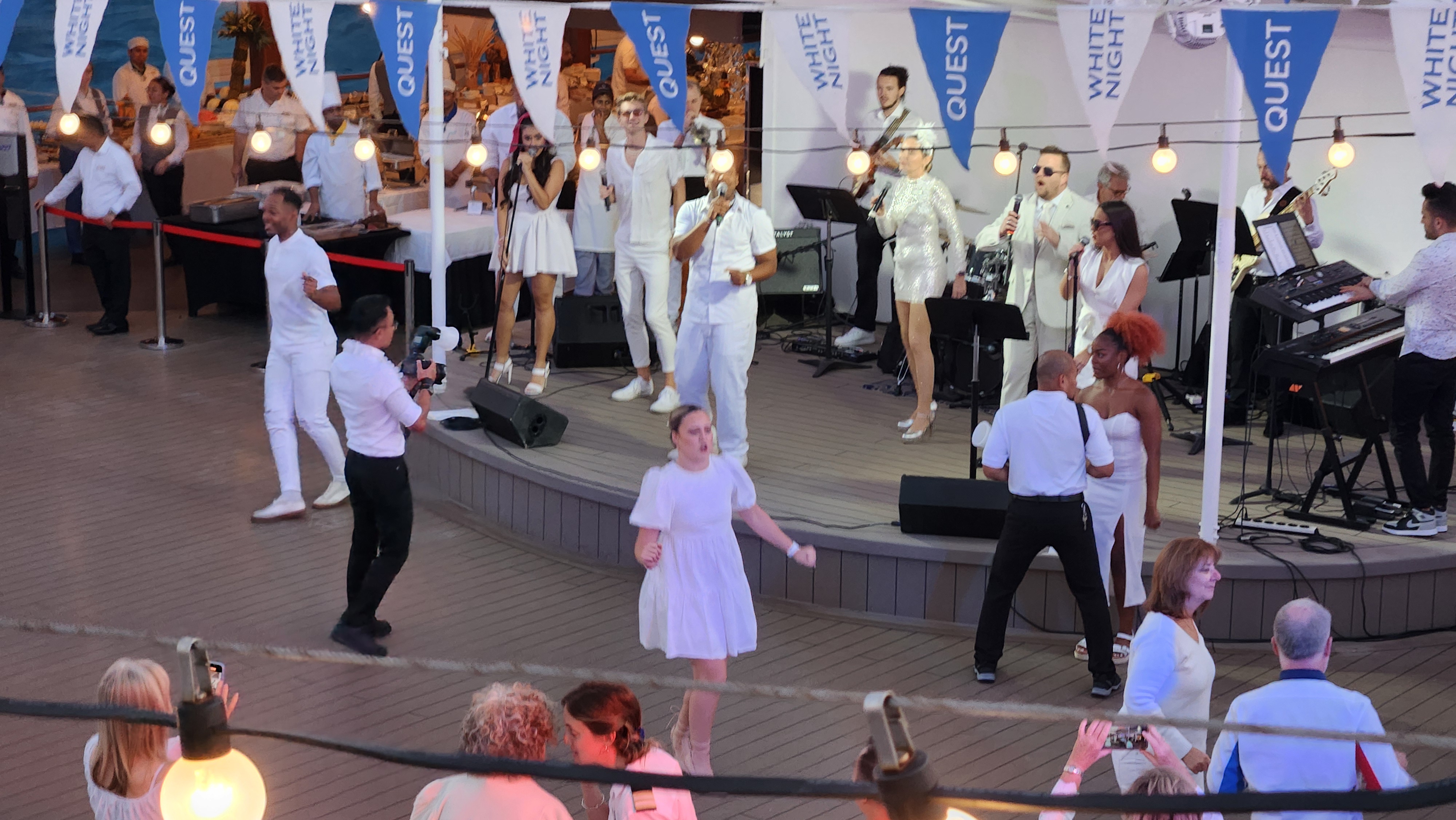
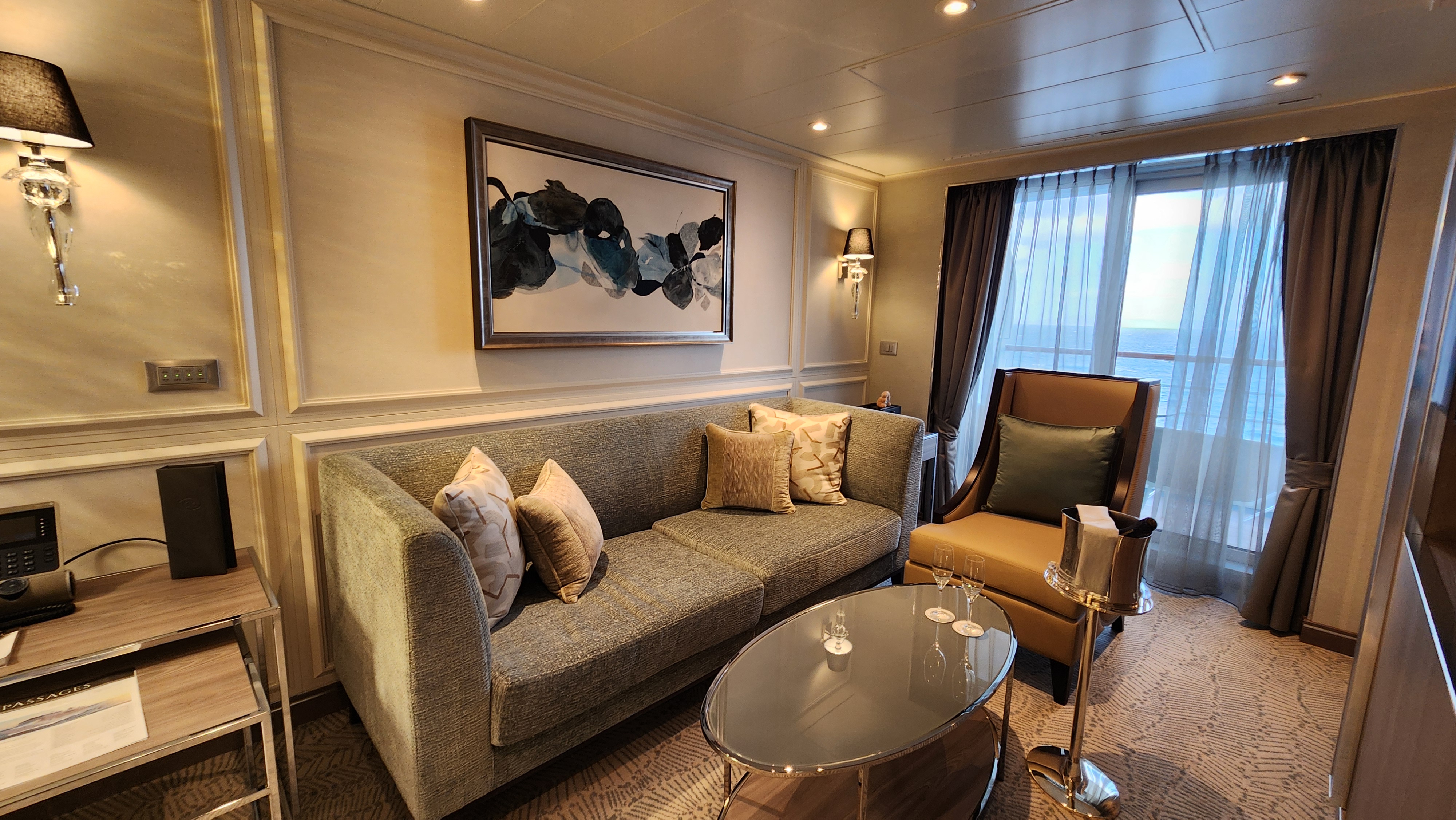
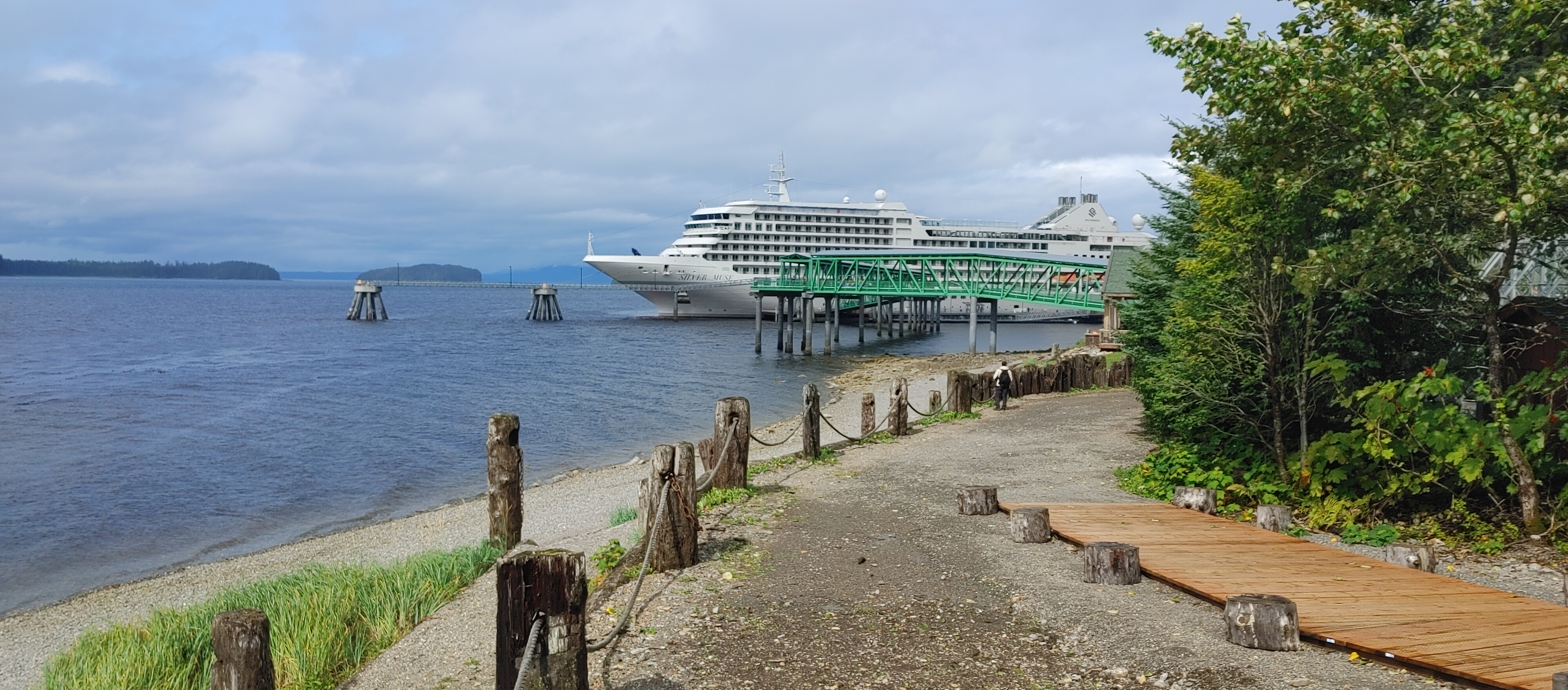
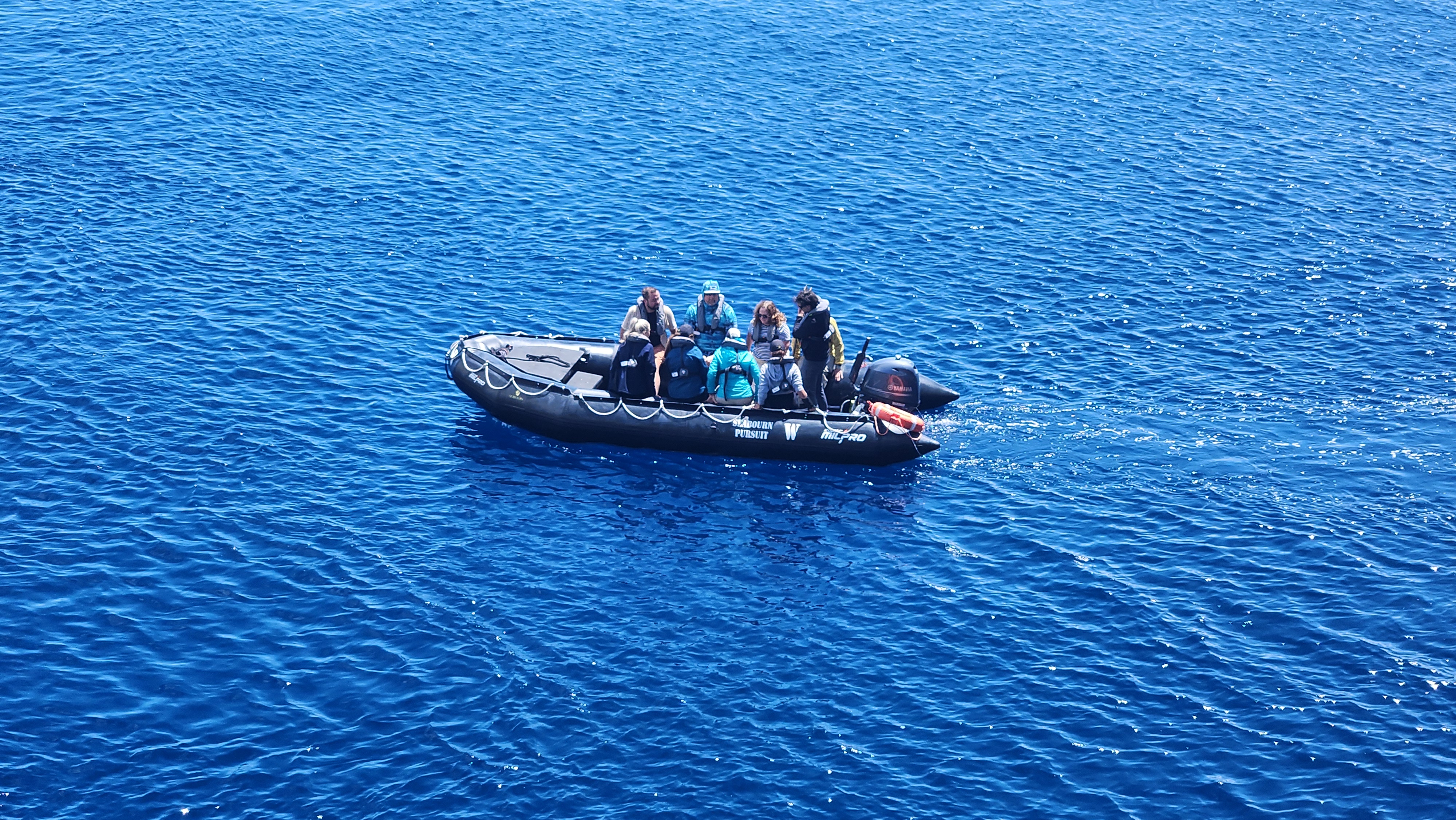
The Destination Often Becomes the Main Attraction
Fewer Passengers
A smaller passenger count can mean fewer lines, a quieter ship and more opportunity to recognize fellow travelers and crew during the voyage.
Smaller Ports
Smaller vessels may be able to visit ports, harbors and islands that cannot comfortably accommodate a large cruise ship.
Faster Movement Ashore
Moving several hundred guests can be very different from moving several thousand, especially when tendering or beginning shore excursions.
Intimate Atmosphere
Smaller lounges, restaurants and gathering spaces can create a more personal and social ship environment.
Destination Focus
Small-ship products often emphasize ports, overnights, unusual itineraries and time ashore rather than making the ship the primary attraction.
Less Sensory Overload
Travelers who find enormous ships overwhelming may prefer a vessel that is easier to learn and simpler to move around.
Not Every Smaller Ship Delivers the Same Experience
Very Small Ocean Ships
Yacht-style products can carry only a few hundred guests or fewer. The experience can feel extremely intimate and can open destinations that would never support a large cruise vessel.
Several Hundred Guests
Ships in this range can still provide multiple restaurants, lounges and meaningful onboard amenities while retaining the atmosphere and port advantages of a much smaller vessel.
Around a Thousand Guests
Some upper-premium ships are larger than traditional small-ship vessels but remain dramatically smaller than modern mainstream ships carrying several thousand guests. The experience can still feel relatively intimate.
River and Expedition Ships
River and expedition vessels are small because their environments demand it. Their size supports access, landings, Zodiac operations or navigation on waterways that conventional ocean ships cannot use.
Small-Ship Cruising We Know Firsthand
Our experience includes different versions of small-ship travel, from upper-premium ocean cruising to highly inclusive luxury, expedition ships and river vessels.
Oceania Cruises
Oceania is one of the destination-focused smaller-ship products we know especially well. Dining, longer itineraries and a ship experience that remains important without overwhelming the destination are central parts of the product.
Our Oceania experience will grow further with a 96-night voyage aboard Vista from Auckland to Rome in 2028.
Explore our extended-voyage expertiseAzamara
Azamara demonstrates how small ship size can support the itinerary. Longer stays, late departures and access to more intimate ports are a major part of the appeal, while the ship itself remains relatively easy to navigate.
Our firsthand experience will continue growing with a 34-night Azamara Quest journey from Stockholm to Lisbon in 2028.
See our upcoming Azamara journeyRegent Seven Seas Cruises
Regent is an important part of our small-ship experience as well as our luxury expertise. We have sailed Seven Seas Grandeur on a two-night preview and Seven Seas Mariner on a seven-night Caribbean cruise, and we regularly book clients on Regent.
We return to Seven Seas Mariner on December 11, 2026 for a 10-night roundtrip Tampa voyage. Regent's ships remain dramatically smaller than modern mega-ships while still offering multiple restaurants, all-suite accommodations and a highly inclusive luxury model.
Explore Regent Seven Seas CruisesSilversea and Seabourn
Silversea and Seabourn add another version of small-ship travel: fewer guests paired with luxury accommodations, elevated service and unusual itineraries. Our experience also includes expedition products from both the luxury and adventure sides of the industry.
Explore our luxury cruise expertiseRiver and Expedition Ships
We have sailed river ships in Europe and Southeast Asia and expedition vessels in Antarctica, Svalbard, Greenland, Galapagos, Iceland, the Canadian Arctic and the remote Pacific. These vessels demonstrate how small size can become a functional requirement rather than simply a style choice.
Explore our expedition expertiseSmall Ships Can Change How You Experience a Destination
Smaller Harbors
Some destinations simply cannot accommodate very large vessels, allowing smaller ships to build itineraries around ports that receive fewer cruise passengers.
Different Docking Locations
A smaller ship may sometimes dock closer to the center of a destination, although berth availability and local port rules still determine where a specific ship actually docks.
Easier Tender Operations
When tendering is required, moving hundreds rather than thousands of people can reduce the scale of the operation and make getting ashore easier.
More Remote Islands
Smaller ocean and expedition ships can reach isolated destinations where port infrastructure is minimal or does not exist at all.
Longer Stays
Some small-ship lines deliberately build itineraries around late departures and overnights, giving travelers more useful time ashore.
Less Port Congestion Onboard
Fewer passengers can mean less crowding at gangways, excursion departure points and other transition areas on port days.
Small Ship Versus Large Ship
Smaller Ship
Fewer guests, intimate spaces, destination focus and access to smaller ports can create a more personal journey. The ship tends to be easier to navigate, but there may be fewer restaurants, less entertainment and fewer onboard facilities.
Larger Ship
Large ships can provide much more dining, entertainment, youth programming, activities and cabin variety. For travelers who enjoy the ship as a destination, those advantages may matter much more than access to a smaller harbor.
What Do You Give Up on a Small Ship?
Fewer Restaurants
Small ships simply have less physical space. Even excellent dining may come with fewer individual venues.
Less Entertainment
Travelers should not expect Broadway-scale theaters, huge production casts or dozens of simultaneous entertainment choices.
Fewer Activities
Waterparks, go-karts, skating rinks and other large-ship attractions generally have no place on a true small ship.
Smaller Youth Programs
Many small ships have limited children's facilities or none at all, making them a poor fit for some family vacations.
Potentially More Motion
Ship design and sea conditions matter, but smaller vessels can sometimes feel ocean movement differently than much larger ships.
Less Anonymity
On an intimate ship you are more likely to recognize fellow travelers and crew. Many guests love that. Others prefer the anonymity of a much larger vessel.
Small-Ship Cruise Products Are Not Interchangeable
Oceania Cruises
Strong culinary focus, destination-rich itineraries and ships significantly smaller than mainstream mega-ships make Oceania a natural comparison for travelers seeking a more intimate ocean experience.
Azamara
Azamara uses smaller ships to support longer port stays, overnights and itineraries built around spending meaningful time in the destination.
Regent Seven Seas Cruises
Regent combines small luxury ships with all-suite accommodations, multiple dining venues and a highly inclusive model. It is a strong choice for travelers who want the intimacy and port advantages of a smaller ship without giving up a sophisticated onboard experience.
Explore Regent Seven Seas CruisesSilversea and Seabourn
Luxury small ships add more space, personal service, refined dining and broader inclusions while retaining many of the access advantages of a smaller vessel.
Explore luxury cruisingWindstar and Similar Products
Yacht-style cruising takes intimacy even further, with very small passenger counts and itineraries designed around ports and islands well suited to smaller vessels.
River Ships and Expedition Ships
Expedition Ships
In places such as Antarctica, Svalbard, Greenland and the Galapagos, small size supports the expedition itself. Zodiac operations, remote landings, wildlife exploration and access to areas without conventional cruise infrastructure are the reason for the ship design.
Explore expedition cruisingRiver Ships
River ships must fit waterways, locks, bridges and docks that would be impossible for an ocean vessel. Their size creates an intimate onboard experience, but river cruising has its own rhythm, excursions and destination focus.
Explore river cruisingSmall Ship Does Not Automatically Mean Luxury
Ship size and luxury level are separate choices. Azamara, Oceania, Windstar, river ships and expedition vessels may all provide intimate cruising while occupying very different categories and price points.
Regent Seven Seas, Silversea and Seabourn combine smaller-ship advantages with more traditional luxury service and inclusion models. Our Luxury Cruising page looks specifically at whether that additional level of service, space and inclusion is worth the premium for a particular traveler.
Explore our luxury cruise expertiseThink of It as Two Questions
- How large a ship do you enjoy?
- How much service do you want?
- What do you want included?
- How important are unusual ports?
- How much entertainment do you need?
- What atmosphere feels right?
Who Is Small-Ship Cruising Best For?
A Small Ship May Be a Great Fit If...
You value destinations more than large attractions, prefer a quieter and more intimate atmosphere, enjoy getting to know fellow travelers and crew, want unusual ports or simply find very large ships less appealing.
A Larger Ship May Be Better If...
You want extensive nightlife, dozens of dining choices, large-scale entertainment, major youth facilities, thrill attractions or enough onboard variety that the ship itself is one of the main reasons for taking the vacation.
Smaller Does Not Guarantee a Better Docking Location
Smaller ships often have access advantages, but no ship can promise the perfect berth in every destination. Local port rules, berth availability, tides, weather and competing ships all affect where a vessel actually docks or whether it must tender. We look at the specific itinerary and port information rather than assuming small automatically means downtown.
Before You Choose a Smaller Ship
How many passengers makes a cruise ship small?
There is no universal industry definition. A yacht carrying a few hundred guests is clearly small, while a ship carrying around a thousand passengers may still feel small compared with modern mainstream ships carrying several thousand. Passenger count matters less than what the size means for the actual experience.
Is Regent Seven Seas small-ship cruising?
Yes, in the context of modern ocean cruising. Regent's all-suite ships carry far fewer guests than mainstream mega-ships and deliver a much more intimate environment while still offering multiple restaurants, lounges and substantial onboard facilities.
Are small ships always more expensive?
Not always, but fewer passengers often means the cruise line has fewer cabins over which to spread operating costs. Luxury and expedition small ships can be expensive, while upper-premium and yacht-style products occupy different price ranges.
Are small ships always luxury?
No. Luxury and ship size are separate characteristics. Regent, Silversea and Seabourn combine both, while Oceania, Azamara, Windstar, expedition vessels and river ships use different service and pricing models.
Do small ships really visit better ports?
They can visit some destinations unavailable to very large ships, but better is subjective. The advantage is having more itinerary possibilities, not that every small port is better than every large one.
Will a small ship always dock instead of tender?
No. Smaller ships may have more docking options, but berth availability, port rules and local conditions still apply. Small ships also tender in many destinations.
Do small ships feel rougher at sea?
Ship design, stabilizers, speed, route and sea conditions all matter. A smaller vessel can sometimes feel motion more noticeably than a very large ship, but size alone does not determine how comfortable a particular sailing will be.
Oceania, Azamara or Regent?
They overlap in ship size and destination focus but deliver different vacation styles. Oceania emphasizes culinary experience and destination-rich itineraries. Azamara emphasizes longer stays and immersion. Regent adds a more fully luxury and highly inclusive model. We compare itinerary, inclusions, service style and price rather than choosing only by brand.
Should I choose the small ship or the itinerary first?
Usually the itinerary comes first. A smaller ship is valuable when its size creates a trip you actually want. We do not recommend giving up an exceptional itinerary simply to meet an arbitrary passenger-count target.
Is Small-Ship Cruising Right for You?
Tell us where you want to go, what you enjoy aboard ship, how important dining and entertainment are, and whether unusual ports or fewer passengers appeal to you. We can compare Oceania, Azamara, Regent Seven Seas, Silversea, Seabourn and other small-ship options and help determine what size ship will create the vacation you actually want.
Prefer to talk? (805) 210-5327
